Federal Cabinet approves vaccine production, biotechnology, seed and skills development policies
PM Shehbaz Sharif highlights economic and diplomatic challenges

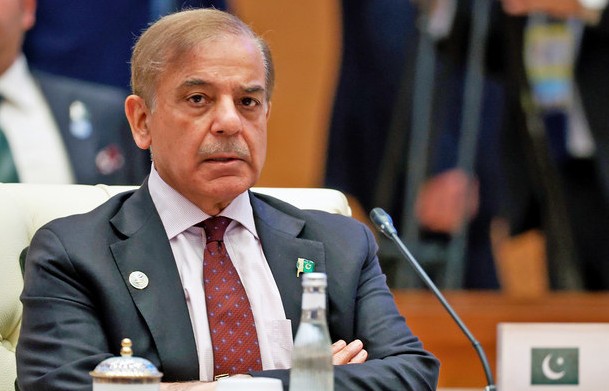
Islamabad: The federal cabinet has approved several key national policies, including a domestic vaccine production policy, the country’s first National Agricultural Biotechnology Policy, the National Seed Policy 2025, and the National Skills Development Policy.
The meeting, chaired by Prime Minister Shehbaz Sharif, also discussed Pakistan’s diplomatic efforts in the Middle East, economic pressures, and ongoing governance measures.
Vaccine and development policies approved
The cabinet approved a policy aimed at enabling domestic vaccine production, with a special committee to be formed under the Drug Regulatory Authority of Pakistan (DRAP) to ensure pricing and quality control.
The policy is designed to reduce reliance on imported vaccines, conserve foreign exchange, and move the country towards self-sufficiency in vaccine manufacturing.
Approval was also granted for the National Agricultural Biotechnology Policy, aimed at strengthening food security, increasing agricultural productivity, and promoting research and development in the sector.
Additionally, the National Seed Policy 2025 was approved in principle. The policy seeks to improve food security, empower farmers, and increase agricultural output by 15–20 percent, while encouraging partnerships with international seed companies.
The National Skills Development Policy was also approved. It aims to align workforce training with industrial and commercial needs, improve skill development standards, and provide internationally recognised training and certification for overseas employment. Both federal and provincial governments, along with the private sector, will collaborate in its implementation.
PM highlights foreign policy and economic challenges
Addressing the cabinet, Prime Minister Shehbaz Sharif said Pakistan is actively engaged in diplomatic efforts to reduce tensions in the Middle East and support ceasefire initiatives.
He noted that recent conflicts in the region have adversely affected economic recovery efforts, including rising petroleum prices and broader inflationary pressures.
The prime minister said Pakistan had facilitated a 21-hour diplomatic “marathon session” involving multiple stakeholders, including the United States and Iran, in efforts to promote dialogue and de-escalation.
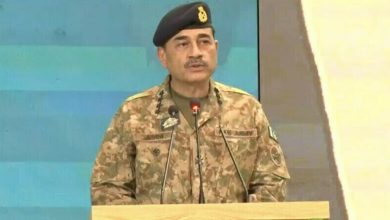
He praised the role of the military leadership, particularly Field Marshal Syed Asim Munir, and Foreign Minister Ishaq Dar for their engagement with international counterparts, stating that their efforts contributed to an extension of the ceasefire process.
He added that Iranian Foreign Minister Abbas Araghchi had visited Pakistan and held detailed discussions, including a two-hour meeting with him, as part of ongoing diplomatic exchanges involving multiple countries.
Economic outlook and austerity measures
The prime minister acknowledged rising global oil prices and described the current economic environment as highly challenging. He said the government is working collectively to manage inflation and maintain stability.
He also stated that Pakistan, with the support of Saudi Arabia, has repaid $3.5 billion in external debt, and reaffirmed that austerity measures will continue.
The cabinet also observed prayers for the mother of Federal Minister for Poverty Alleviation and Social Safety, Imran Ahmed Shah, who recently passed away.